To A Lady,At a time in history when female published writers were very rare, Anna Laetitia Barbauld stood out with her English Romantic style of writing poetry. She also produced a number of essays, including works on political subjects, and was a noted children’s author.
She was certainly outspoken, even into her late sixties, and she fell foul of literary society when she published a poem called Eighteen Hundred and Eleven which, at the time of the Napoleonic wars, was derided as unpatriotic. She basically saw England as a post-war ruin and she protested vehemently about the British involvement in the war. The reviews of this poem were so vicious that she decided to lay down her pen for the rest of her life.
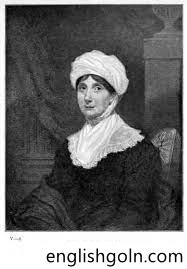
To A Lady by Anna Laetitia Barbauld
FLOWERS to the fair: To you these flowers I bring,
And strive to greet you with an earlier spring.
Flowers sweet, and gay, and delicate like you;
Emblems of innocence, and beauty too.
With flowers the Graces bind their yellow hair,
And flowery wreaths consenting lovers wear.Flowers, the sole luxury which nature knew,
In Eden’s pure and guiltlese garden grew.
To loftier forms are rougher tasks assign’d;
And strive to greet you with an earlier spring.
Flowers sweet, and gay, and delicate like you;
Emblems of innocence, and beauty too.
With flowers the Graces bind their yellow hair,
And flowery wreaths consenting lovers wear.Flowers, the sole luxury which nature knew,
In Eden’s pure and guiltlese garden grew.
To loftier forms are rougher tasks assign’d;

The sheltering oak resists the stormy wind,
The tougher yew repels invading foes,
And the tall pine for future navies grows;
But this soft family, to cares unknown,
Were born for pleasure and delight alone.
Gay without toil, and lovely without art,
They spring to cheer the sense, and glad the heart.
Nor blush, my fair, to own you copy these;
Your best, your sweetest empire is—to please.
The tougher yew repels invading foes,
And the tall pine for future navies grows;
But this soft family, to cares unknown,
Were born for pleasure and delight alone.
Gay without toil, and lovely without art,
They spring to cheer the sense, and glad the heart.
Nor blush, my fair, to own you copy these;
Your best, your sweetest empire is—to please.
